
Overwatering vs Underwatering: How to Tell Them Apart
Overwatering vs underwatering: symptoms look almost identical because both end in damaged roots. What separates them, and the test that settles it.
Overwatering vs Underwatering: How to Tell Them Apart
Overwatering and underwatering produce nearly the same symptoms, because both problems end in the same place: roots that have stopped working. The leaves will not settle the question. The soil, the weight of the pot, and what happens in the few hours after you water will.
That similarity is not folk wisdom. Clemson Cooperative Extension states it plainly: The symptoms of over-watering and underwatering are similar. Both lead to poor root health, root decline and possibly death of the plant.
Which means the most common way to kill a houseplant is to correctly notice that something is wrong, and then guess.
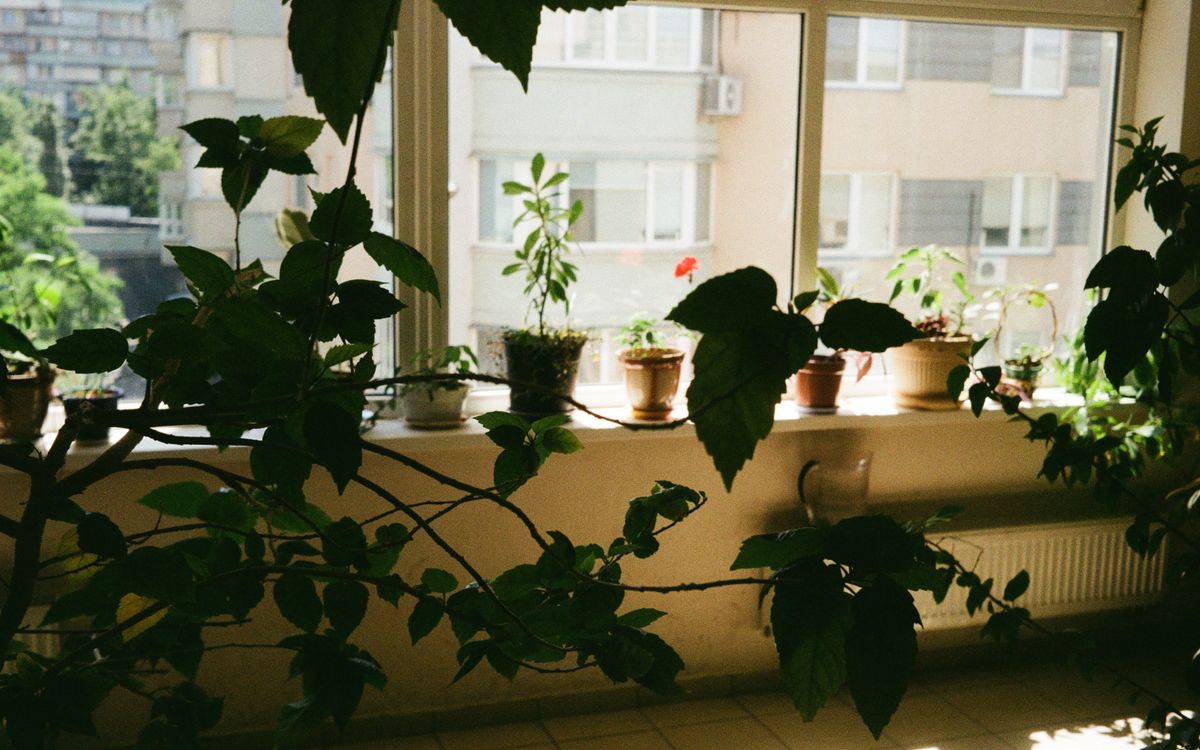
What actually separates overwatering from underwatering
| What you check | Leans overwatered | Leans underwatered |
|---|---|---|
| Soil, two inches down | Damp or wet, sometimes sour smelling | Dry all the way through, pulling away from the pot |
| Weight of the pot | Heavy | Noticeably light |
| Leaf texture | Soft, limp, yellowing | Dry, curling, crisp at the edges |
| A few hours after watering | No change, or worse | Visibly firmer |
| By evening | Still wilted | Recovered, if it has been watered |
| Roots | Soft, brown, sometimes smelly | Dry and brittle, still pale |
Read down the column rather than picking one row. Any single line can mislead: cold rooms produce damp soil that is not a watering problem, and a plant that has just been repotted sulks for reasons of its own.
Everything below is why each of those rows works, and what to do once the column is clear. If you only came for the answer, the table is the answer.
Overwatering vs underwatering: why they look the same
Because the plant is not reacting to the water. It is reacting to its roots.
Roots need air as much as they need moisture. When the potting mix stays saturated, the air spaces stay full and the roots suffocate. Clemson's watering factsheet puts the mechanism directly: The main cause of death of potted plants is over-watering. Roots need both water and oxygen, and when surrounded by water, they cannot take up oxygen.
Their houseplant disease factsheet adds what follows from that, namely that Overwatering decreases the amount of oxygen available for root growth and favors the development of root diseases. At the other extreme, the same factsheet records that Chronic under-watering results in wilting, leaf curling, and death.
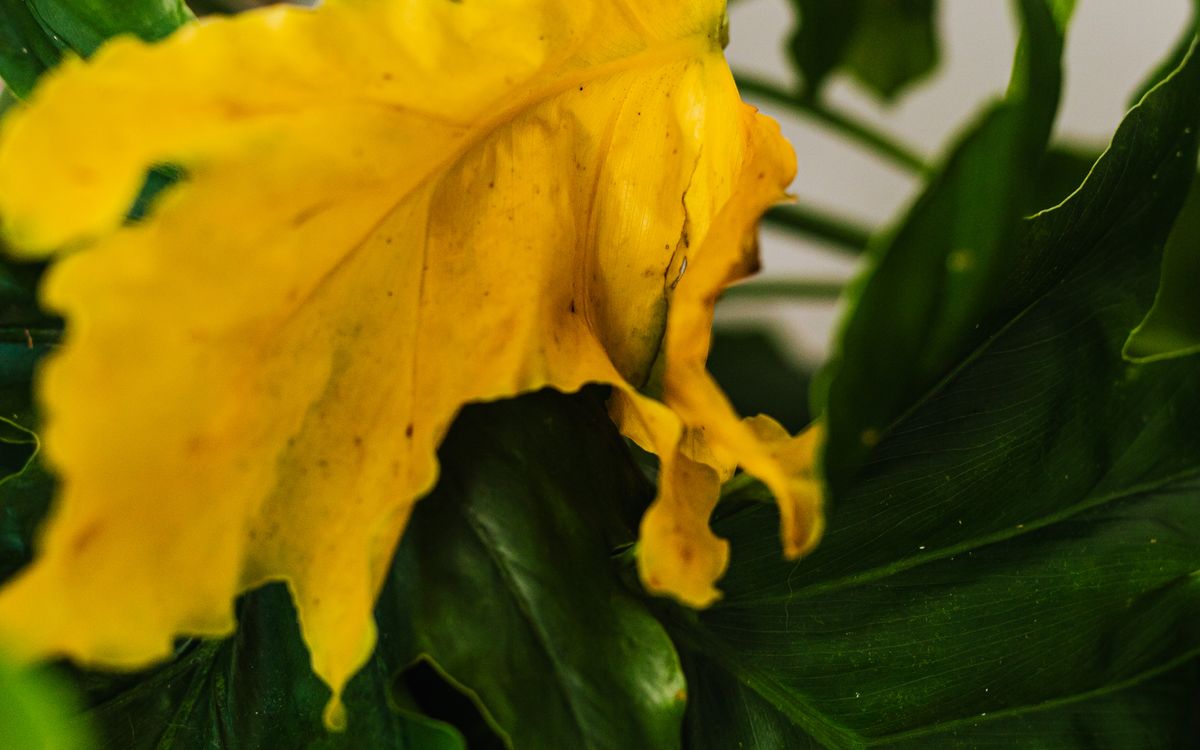
Two opposite mistakes, one shared consequence. A root system that cannot move water into the plant produces a plant that looks short of water, and it looks that way whether the soil is bone dry or soaking. Clemson confirms the overlap on the most-noticed symptom of all: Either over-or under-watering can cause leaf drop.
The trap: wilting makes you water more
A recoverable mistake becomes a dead plant here.
Wilting reads as thirst. It is the one plant symptom nearly everyone believes they can interpret, and the response is automatic. But Iowa State University Extension puts wilting on the other list: Symptoms of overwatering include yellowing or browning of leaves, leaf drop, wilting (due to a damaged root system), crown rot, fungus gnats, and death.
Note what else is on that list. Fungus gnats show up there because they breed in soil that stays damp, which makes them a readable signal rather than a separate misfortune: see how to get rid of fungus gnats for why killing the adults never settles it.
A plant whose roots are rotting cannot draw water up, so it droops in wet soil, and the reasonable-looking response makes it worse. North Carolina Cooperative Extension is direct about the cost: if the soil is already moist, watering again can create poor oxygen conditions for roots.
My own worst plant losses were all this loop. Something looked unhappy, I watered it, it looked worse, and I concluded it needed more.
Why one row is never enough
Yellowing appears in both columns because it appears in almost every houseplant problem. Where it sits on the plant narrows it down considerably, which is the subject of why leaves turn yellow.
Species matters here too, in one specific way: a plant in a dim spot transpires less and its pot dries more slowly, so the watering habit that suited a bright windowsill becomes overwatering without the schedule changing at all. Pothos in low light works through that case, since it is the plant this happens to most often. It is worse with a snake plant in low light, which forgives a month of neglect and very little overwatering, so the dim corner it tolerates is also where people drown it.
The timing test that settles overwatering vs underwatering
This one costs nothing but attention, and it settles more cases than any photograph.
Wilting is what a plant looks like when its cells lose the internal pressure that holds stems and leaves upright, which North Carolina Cooperative Extension frames as a loss of turgor. Give a thirsty plant water and that pressure returns, usually within a few hours. The recovery is the tell. A plant whose roots have rotted has no way to answer, because the pathway is broken rather than empty, and watering it changes nothing.
The same page separates temporary wilting from real drought by when the plant looks bad rather than by how bad it looks. With heat stress, Plants look better by morning or evening and the soil an inch or two down is still damp. Genuine drought stress behaves differently: Wilting persists into the evening and next morning, and the dryness reaches well below the surface.
That page is written about outdoor plants and heat, but the timing logic transfers to a windowsill in summer, and it carries an idea worth keeping: wilting is not automatically a request for water. The same extension office notes that many well-hydrated plants will wilt in the heat of the day as a protective response. A plant sagging at three in the afternoon and standing up again at nine at night was never thirsty.
So before you reach for the watering can, note the time. Then look again at the end of the day. That single interval separates more cases than any photograph will.
When to look at the roots, and what you are looking for
Everything above is circumstantial. The roots are the evidence.
The signs of root rot in a houseplant are easier to read than anything above ground, and they take a minute to check. Tip the plant out of its pot and support the soil ball with your hand. Healthy roots are pale, firm, and fine. University of Wisconsin Horticulture describes the alternative as roots that are soft and brown. These roots may have a bad odor. Rot is as much a smell as a sight, and the smell is unmistakable once you have met it.
Root rot is not a single disease. Wisconsin Horticulture names the usual culprits: Pythium spp., Phytophthora spp., Rhizoctonia solani, and Fusarium spp. are the most common root rot fungi. All of them do their work in soil that stays wet, which is why the fix is drainage and restraint rather than a product.
Dry roots from underwatering feel different. They are brittle and may snap, but they keep their pale color and they do not smell.
If what you find is mostly soft and dark rather than mostly firm, the question stops being which mistake you made and becomes whether there is enough living root left to rebuild from. How to save a dying houseplant works through that decision, including the point at which two extension services advise discarding the plant.
How to water so the question stops coming up
Most of the difficulty disappears with two habits.
The one situation where a schedule gets forced on you is a trip, and the published guidance there is narrower than people expect: how long can houseplants go without water works through what the numbers actually attach to.
Water on evidence, not on a schedule. Clemson recommends a finger rather than a gadget: The most accurate gauge is to water when the potting mixture feels dry to the touch. Stick your finger into the mix up to the first joint; if it is dry at your fingertip it needs water. A weekly routine averages together a plant in a warm bright spot and one in a cool dim corner, and it is wrong for both. Mine differ by weeks within the same apartment, which is mostly a light problem: if you have not worked out what your window gives, the light estimator will get you closer, and what a north-facing window actually gives covers the exposure where soil stays wet longest.
Then make sure the water can leave. Wisconsin Horticulture is specific, including about a piece of advice that will not die: Use a pot with drainage holes, but do not put rocks or gravel at the bottom of the pot. Sometimes the pot reports for itself. Fuzzy white growth on the surface is a saprophyte rather than a disease, and Iowa State reads it as a sign of excessive moisture, which makes it a free answer to this whole question: white mold on houseplant soil. An orange patch or tiny jumping bugs on the same soil are telling you the identical thing through a different organism: orange mold on houseplant soil.
If you are tempted to settle this with an instrument, the cheap probe is the wrong one to reach for and the pot's own weight is the free alternative, worked through in moisture meter for houseplants.
A pot two or three sizes too large produces the same waterlogging on a perfectly sensible schedule, because soil with no roots in it has nothing removing water. Illinois Extension warns against over-potting for exactly that reason, and best pots for houseplants covers how far up to go.
One species makes this ambiguity theatrical enough to be worth its own page. A peace lily collapses to soil level for both causes, and the way to tell them apart is timing rather than appearance: see peace lily drooping.
The drainage hole half of that is settled. The gravel half is less clear cut than the advice sounds, and a 2025 experiment found the opposite of what the standard explanation predicts, which is worked through in rocks in the bottom of a pot. Either way a layer of rocks is not what gets water out of a pot. The same page adds the step people skip after watering, which is to not allow plants to sit in drainage water.
Empty the saucer. That one habit prevents more root rot than anything else on this page.
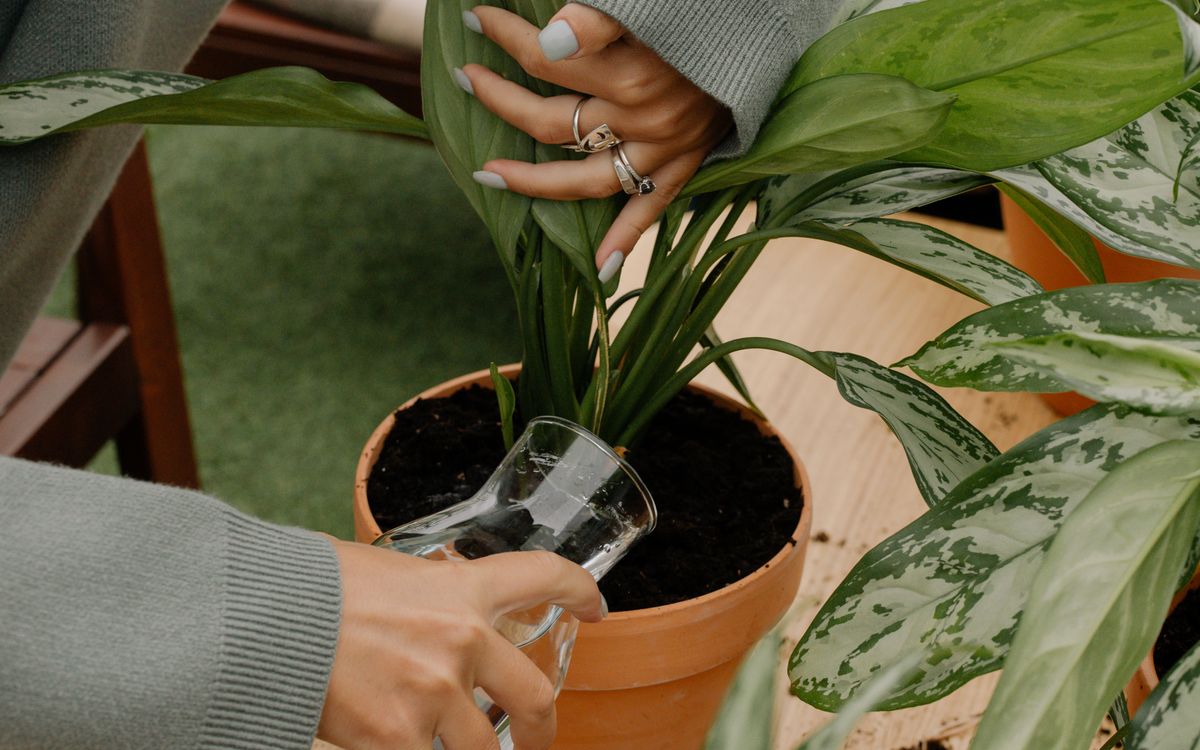
How long does recovery take?
You will find confident numbers for this. Seven to fourteen days to recover, two to four weeks to new growth, two to four months to full health. I went looking for where they came from and could not trace a single one of them to an extension service, a botanical garden, or any published horticultural source. They appear on retailer blogs and content sites, quoting each other.
So I am not going to add a number to that pile. What I can offer is what to watch instead:
- A thirsty plant answers within hours. If it does not, the problem was never thirst.
- A repotted plant does nothing for a while, and that is normal. Roots rebuild before leaves do, so an absence of visible change in the first weeks is not failure.
- New growth is the only reliable all-clear. Existing leaves that were damaged will not recover, and waiting for them to green up again is how people conclude a rescue failed when it worked.
Recovery depends on how much living root is left, and you cannot see that from outside the pot.
Common questions
How to tell if a plant is overwatered Check the soil two inches down, lift the pot, and look at the leaf texture. Overwatered plant leaves go soft and limp rather than crisp, the pot stays heavy, and the soil is damp or sour. The confirmation is in the roots, which turn soft and brown.
Should I water a wilting plant? Not until you have checked the soil. Wilting is the one symptom shared by both problems, and watering a plant that is already waterlogged is the fastest way to finish it. Feel two inches down first, then decide.
Can a plant recover from overwatering? Often, if enough healthy root remains. Move it out of saturated soil, make sure the pot drains and is not standing in water, and then leave it alone rather than trying to help it with more water. Recovery depends on surviving roots, which is why nobody can give you a reliable timeline.
Why is my plant wilting but the soil is wet? Because damaged roots cannot move water, so the plant shows drought symptoms while sitting in moisture. Iowa State lists wilting among the effects of overwatering for exactly this reason. Wet soil plus a wilting plant points toward root damage, not toward needing another drink.
How often should I water my houseplants? There is no correct interval, and any article that gives you one is averaging conditions that are not yours. Light level, pot material, pot size, room temperature, and season all change the answer. Check the soil and let the plant set the schedule.
One thing to do differently
Before the finger test, pick the pot up.
Weight is the fastest reading you can take, it takes a second, and it works even when the surface of the soil is lying to you. Do it every time you water for a month and you will start to know what your own plants feel like full and empty. Once you can feel that difference through the pot, overwatering vs underwatering stops being a guess, and most of this article becomes unnecessary.
One houseplant skips the guessing entirely, because its roots hang outside the pot and change color with their water content: orchid aerial roots.
If you would rather learn this by getting it wrong somewhere it does not matter, The Windowsill is a slow game on this site where watering on a schedule ends exactly the way this article says.