
Best Soil for Houseplants: Do Not Buy the Bag That Says Soil
The best soil for houseplants contains no soil. One extension service says to avoid bags labeled potting soil outright, and the reason is air.
Best Soil for Houseplants: Do Not Buy the Bag That Says Soil
The best soil for houseplants is not soil, and one extension service says so as a purchasing instruction rather than a piece of trivia. Maryland tells readers to avoid bags described as potting soil and buy a soilless mix instead.
The reason is air. Roots need oxygen as much as water, and the thing that decides whether a pot has any is the structure of what you filled it with. Everything else on this page follows from that.
The short version
- Buy a soilless mix, not a bag labeled potting soil.
- Garden soil belongs in the garden. In a pot it compacts and suffocates roots.
- Add perlite if the bag is dense. That is the standard correction.
- Reuse is a judgment call, and extension guidance leans against it after a problem.
- Match the mix to the plant's water preference, not to the label on the shelf.
Potting soil vs potting mix
Two names on adjacent shelves, and a genuine difference underneath.
Maryland Extension starts from what the medium has to do: The potting medium should be porous for root aeration and drainage but also be able to retain water and nutrients. Two jobs pulling against each other, which is why the answer is a manufactured blend rather than dirt. They note that Most commercially prepared mixes are termed artificial, meaning they contain no soil.
Then the instruction, which is blunter than extension pages usually get: Avoid purchase of products described as "potting soil." They are usually too dense to allow for proper aeration. If you have already bought one, the fix is stated: If you purchase potting soil, you will need to add vermiculite or perlite to loosen the soil and make it more friable.
What to buy instead: Buy an artificial, soil-less mixture. These contain a combination of peat moss, vermiculite, and perlite.
Penn State gives the second reason for going soilless, which is not about air at all: Most potting mixes are soilless to avoid soilborne diseases and promote good drainage.
So the label is doing real work. A bag that advertises soil is telling you it contains the ingredient you are trying to avoid.
Is there a best dirt for houseplants?
No, and the wording is the reason. Dirt is the informal word for soil, and soil is the thing Maryland is telling you to leave out: the mixes it recommends contain no soil at all.
That makes three words for two things, which is most of why this aisle is confusing:
| What people say | What it usually means | Right for a pot? |
|---|---|---|
| Dirt | Soil, informally. Often garden soil | No |
| Potting soil | A bagged product that contains soil | Usually not, unless you loosen it |
| Potting mix | A soilless blend of peat, bark, perlite, vermiculite | Yes |
Anyone searching for the best dirt for houseplants is asking the right question in the wrong vocabulary, and the honest answer is that the best thing to fill a pot with is not dirt, not soil, and not the bag with "soil" on the front. It is a manufactured mix that was never soil to begin with.
| Potting soil | Soilless mix | |
|---|---|---|
| Contains actual soil | Usually | No |
| Density | Higher, compacts over time | Lower, stays open |
| Disease risk | Higher, soilborne organisms | Lower |
| Straight from the bag | Add perlite first | Usable |
| Best for | Outdoor beds and containers | Houseplants |
Is garden soil ok for houseplants?
No, and the reason is not fertility.
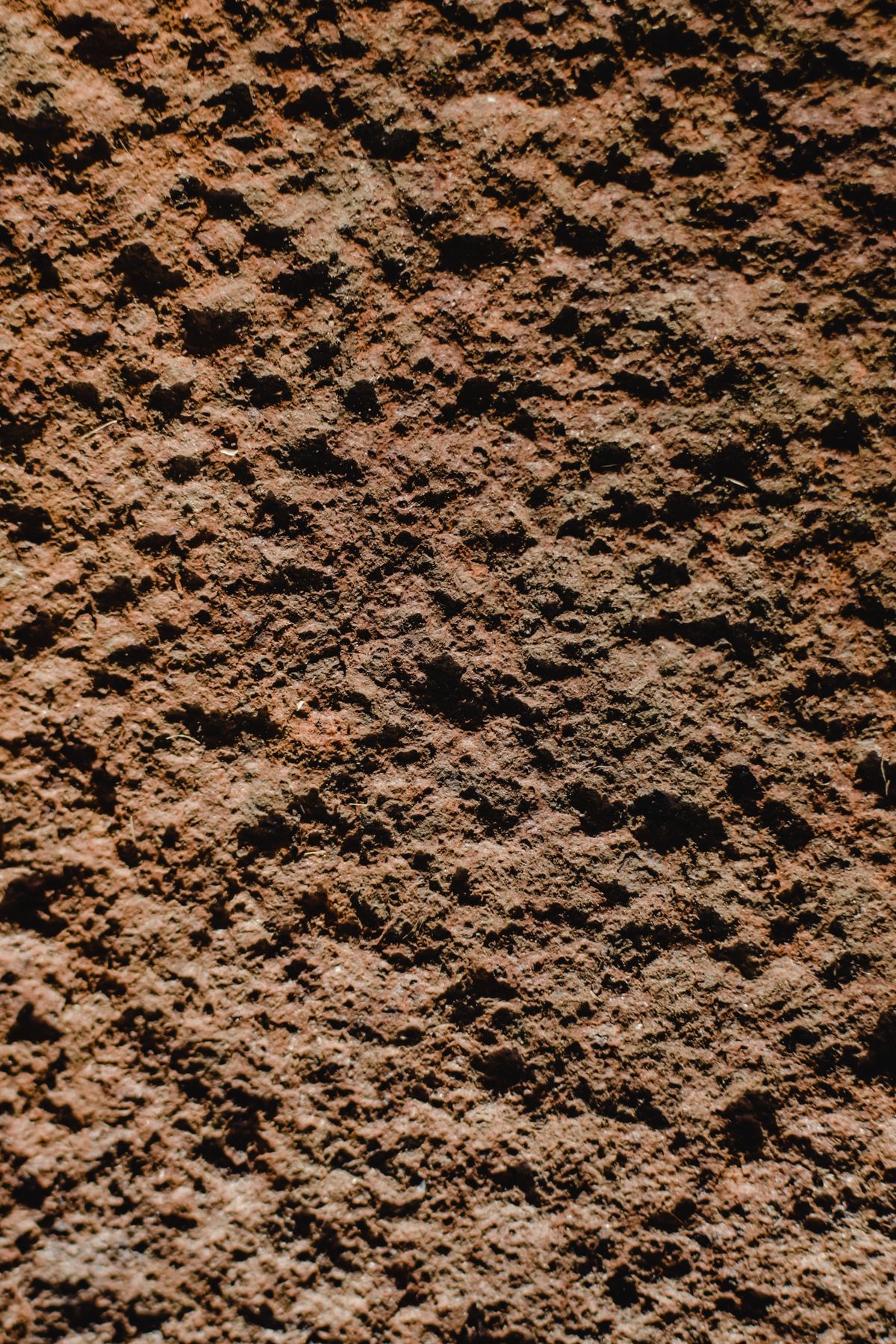
Garden soil behaves entirely differently inside a pot. It has no worms, no roots working through it, no freeze and thaw, and nothing else that keeps outdoor soil open. Watered repeatedly in a container, it settles into a dense block, and the air spaces close. Maryland's density warning applies to bagged potting soil; genuine garden soil is further along the same scale.
Penn State's disease point matters more indoors than out, too. A pot is a closed system with no predators and no competition, so anything that arrives in a scoop of garden soil stays.
Do I need special soil for houseplants?
A general soilless mix suits most of them. Two groups need something different, and both differences are about how fast the mix dries.
Succulents and cacti need it grittier. Iowa State publishes the ratio: A good mix is one-third organic material and two-thirds mineral material, built by combining one part organic material (potting soil, pine bark, compost, or coir) with two parts mineral material (perlite, coarse sand, pumice, or fine gravel). Their reason is direct: Typical potting soil retains too much water, risking root rot. More on that in growing succulents indoors.
Aroids and other coarse-rooted tropicals do better in something chunky. Monstera, philodendron and their relatives climb trees rather than growing in ground soil, and the bark-heavy mixes sold for them are aiming at a larger pore size rather than a different nutrient profile. That category is a hobbyist one rather than a term extension services use, but the property it targets is the one Maryland names first: porosity for root aeration.
Everything else is fine in a standard soilless mix, and a plant that wants consistently moist soil, such as a calathea, is a case for leaving the mix alone rather than opening it up further.
Choosing houseplant soil, matched to the plant
| Plant | What it needs from the mix | Practical version |
|---|---|---|
| Pothos, snake plant, spider plant | Ordinary, forgiving | Bagged soilless mix, as sold |
| Calathea, ferns, peace lily | Holds moisture without going airless | Soilless mix, no extra perlite |
| Monstera, philodendron, other aroids | Large pore size, drains fast | Soilless mix plus bark and perlite |
| Succulents, cacti | Dries quickly | Two parts mineral to one part organic |
| Anything in a pot with poor drainage | As much air as possible | Add perlite, and fix the pot |
The last row is the one worth acting on first. A mix cannot rescue a container that does not drain, which is the argument in rocks in the bottom of a pot.
One thing that comes in some bags and is worth knowing about: Maryland notes that High-quality artificial mixes contain slow-release fertilizers which will meet a plant's nutritional requirements for several months. If yours does, feeding on top of it in the first season is how salt accumulates, which is the mechanism behind one of the four causes in brown tips on houseplant leaves and the reason to check a pot rim before opening a bottle, in fertilizing houseplants.
How much perlite to add to potting soil
Enough to change how it feels, and there is no single published number for houseplants generally.
What the sources do give is the shape of the answer. Maryland says to add vermiculite or perlite to loosen a dense bag and make it friable, without a ratio. Iowa State's two-thirds mineral is a figure for succulents specifically. Penn State's published seedling formula runs 50 to 75 percent sphagnum peat with 25 to 50 percent vermiculite, which is a different application again.
Read together, those bracket the useful range rather than name a number. For ordinary foliage houseplants in a dense bagged mix, something in the region of one part perlite to three or four parts mix opens it up without turning it into a succulent medium, and the test is tactile: squeeze a handful of damp mix, and it should crumble apart rather than hold its shape.
Perlite and vermiculite are not interchangeable, despite appearing in the same sentence. Perlite is the one that adds air and drainage. Vermiculite holds water and nutrients. For a houseplant in an apartment that is already too wet more often than too dry, perlite is usually the right one.
Can I reuse old potting soil?
For an ordinary healthy plant, with caveats. After a problem, no.
Clemson is explicit about starting over when pests have been involved: Be sure to start with a clean pot and sterile potting soil, and for the container itself, pots should be scrubbed clean and rinsed in a solution of one part bleach to nine parts water to kill any disease organisms present.
That bleach ratio, one to nine, is the concrete part most people guess at.
Three reasons old mix is worse than it looks even without a pest problem. It has broken down, so the particles are smaller and the pore space is gone, which is the whole property you were buying. It carries accumulated fertilizer salts, visible as the crust discussed in the brown tips article. And root mealybugs, if that is what happened, live on the outside of the root ball rather than in the leaves, which is covered in mealybugs on houseplants.
Topping up with fresh mix is a different question and is fine. Replacing the whole volume with the old material is a false economy on a bag that costs less than the plant.
What has and has not been tested here
Nothing on this page has been tested by me, and no brand is named.
I have not compared bagged mixes, measured how fast any of them drains, or run the same plant in two media side by side. What is here is the guidance extension services publish about what a potting medium has to do, plus the two published ratios I could find, both linked so you can check them.
Two honest gaps. There is no number in the sources for how much perlite an ordinary houseplant mix wants, so the range above is my reading of figures published for other purposes and is labeled as such. And I looked for extension guidance comparing peat with coconut coir, which is a question people reasonably ask, and did not find a page I could cite, so this article does not answer it rather than answering it from somewhere weaker.
Common questions
What is the best soil for houseplants? A soilless mix rather than anything labeled potting soil. Maryland Extension advises avoiding products described as potting soil because they are usually too dense for proper aeration, and recommends an artificial soil-less mixture of peat moss, vermiculite and perlite.
What is the difference between potting soil and potting mix? Potting mix is generally soilless, made from peat or coir with perlite and vermiculite. Potting soil often contains actual soil, which makes it denser and carries soilborne disease. Penn State notes that most potting mixes are soilless to avoid soilborne diseases and promote drainage.
Is garden soil ok for houseplants? No. It compacts in a container without the biology and weather that keep it open outdoors, closing the air spaces roots need, and it can introduce soilborne organisms into a closed system.
How much perlite should I add to potting soil? The sources give ratios for specific cases rather than a general figure: Iowa State's succulent mix is two-thirds mineral, and Penn State's seedling mix is 25 to 50 percent vermiculite. For a dense bagged mix and ordinary foliage plants, roughly one part perlite to three or four parts mix is a reasonable starting point.
Can I reuse old potting soil? Not after a pest or disease problem. Clemson advises starting with a clean pot and sterile potting soil, and scrubbing pots with a one to nine bleach solution. Even otherwise, old mix has broken down and holds accumulated salts.
Is there a difference between houseplant soil and potting mix? No, when the bag is a soilless mix. Houseplant soil is the shelf name for the same product this page recommends buying, and the thing to check is the ingredient list rather than the word on the front.
What soil is best for house plants indoors? A soilless mix, whether the label spells it house plants or houseplants. The two spellings sell the same bags, and neither spelling tells you whether there is any actual soil inside.
Do I need special soil for houseplants? Most do fine in a general soilless mix. Succulents and cacti need a grittier one, and coarse-rooted tropicals like monstera do better in a chunkier bark-based mix, in both cases because the mix needs to dry faster.
Choosing the best soil for houseplants in a shop
Turn the bag over and read the ingredients rather than the front.
If the list starts with peat moss or coir and includes perlite, that is a soilless mix whatever the front says. If it lists soil, compost or topsoil first, it is the dense kind Maryland tells you to avoid, and you are buying a bag of perlite as well. That is thirty seconds of reading and it is most of what choosing the best soil for houseplants actually involves.